Stem cells can self-renew and differentiate. Understanding their role in tissue repair is the way to look correctly at “anti-ageing” and “cell regeneration”.
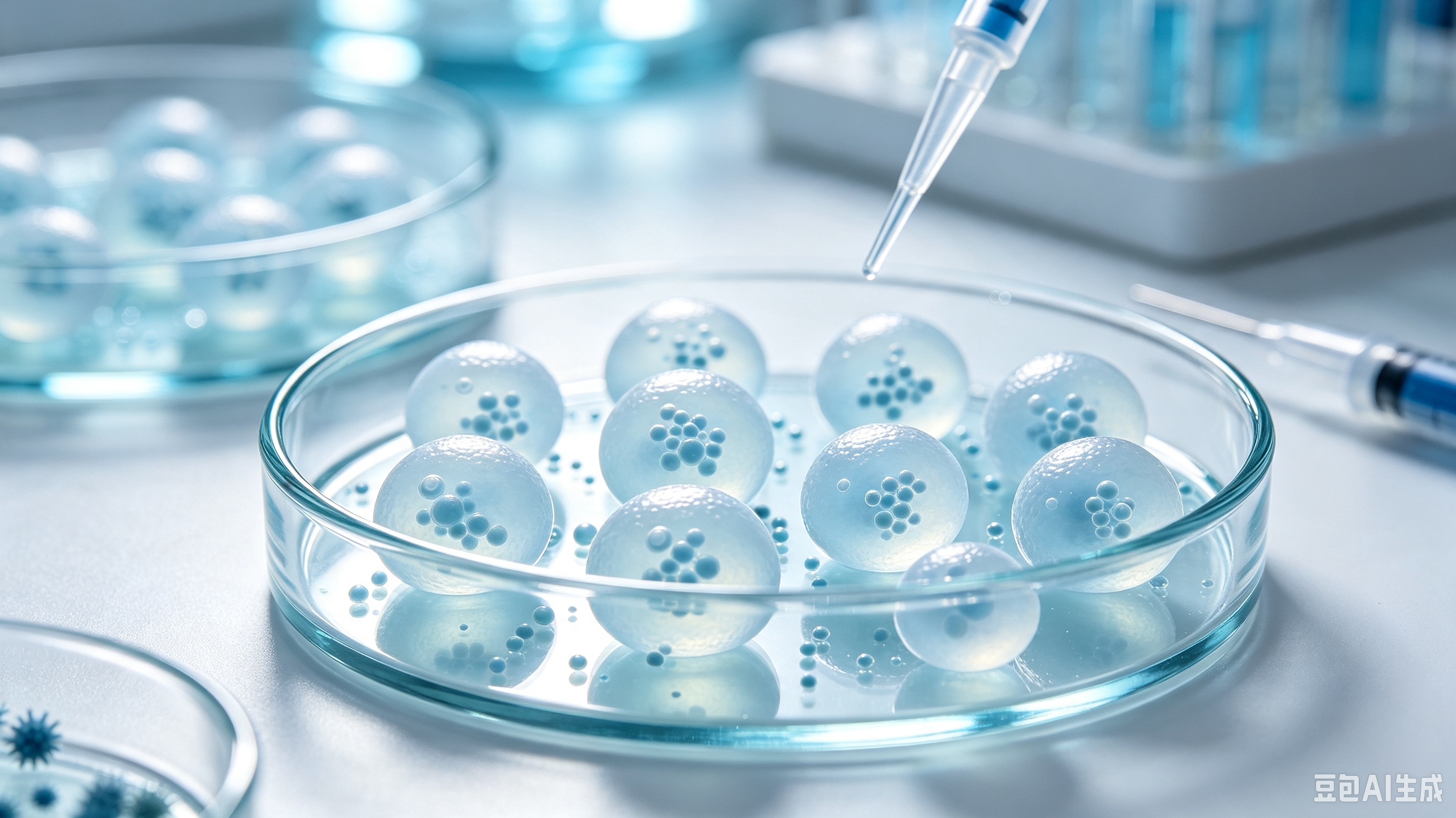
Longevity medicine is concerned not only with “looking young”, but with how cells, tissues and systems maintain their capacity to repair. Stem cells are the starting point of this discussion: they can self-renew, and under specific signals they can also differentiate into cells of different functions — an important reserve in the body’s repair mechanism.
| Type | Features | Discussion focus |
|---|---|---|
| Embryonic stem cells | Broadest differentiation potential | High ethical and regulatory constraints; high barrier to clinical use |
| Adult stem cells | Found in bone marrow, fat, skin and other tissues | The most discussed in research and clinic |
| Induced pluripotent stem cells (iPSC) | Reprogrammed from somatic cells | High scientific value; translation still needs rigorous evaluation |
In the anti-ageing context, the public more often hears about adult-derived mesenchymal stem cells (MSC), and about paracrine products secreted by stem cells, such as exosomes and growth factors.
Medical aesthetic devices and injectables mostly stimulate collagen, improve structure or modulate neuromuscular signals; stem-cell-related content shifts the perspective to repair and inflammation management at the cellular level. The two can be understood as complementary, but should not replace each other: skin laxity, pigment spots and dynamic lines still need the corresponding treatment chosen according to pathology.
In the next article we will focus on mesenchymal stem cells (MSC): what is truly discussed is often not “growing new skin”, but repair signals and inflammation modulation.