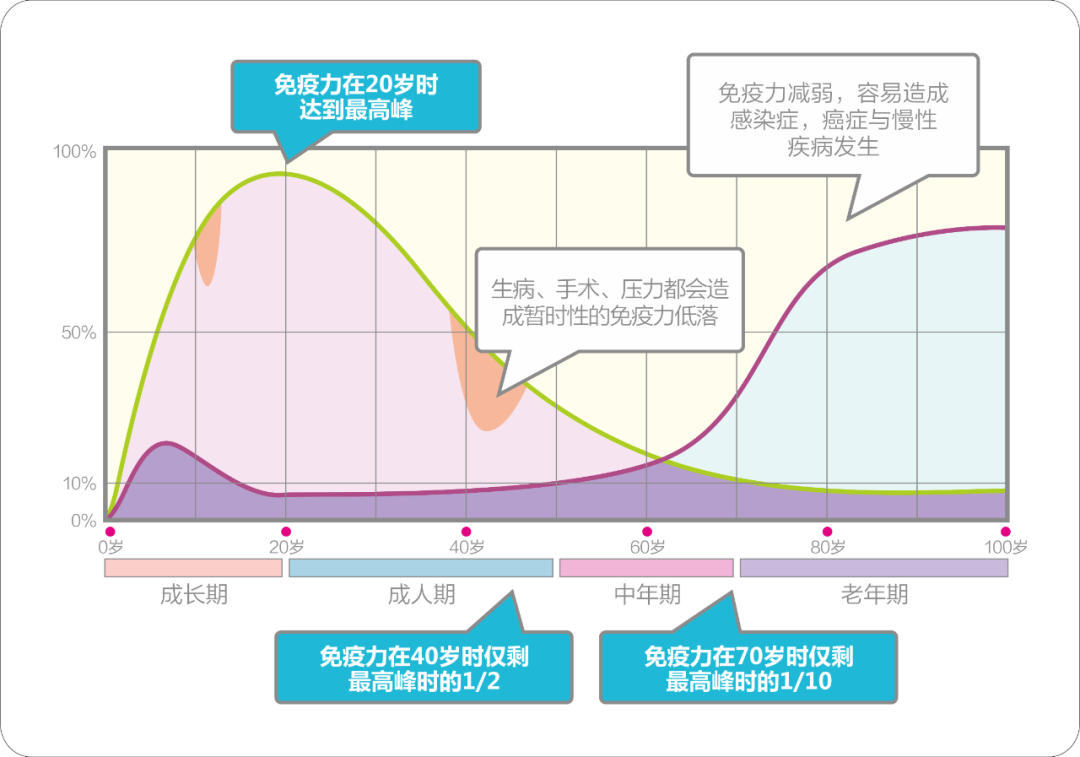
Immunity peaks around 20 and falls after 40. Storing your own immune cells while healthy locks in a usable cell resource for later.

As health becomes a nationwide concern, many people already know about storing precious cell resources such as stem cells for a newborn. Fewer know that adults can also plan ahead: storing immune cells is a health gift to one’s future self.
If the body is a well-run kingdom, immune cells are the loyal garrison. They patrol day and night, recognising and clearing cancerous, senescent or abnormal cells.
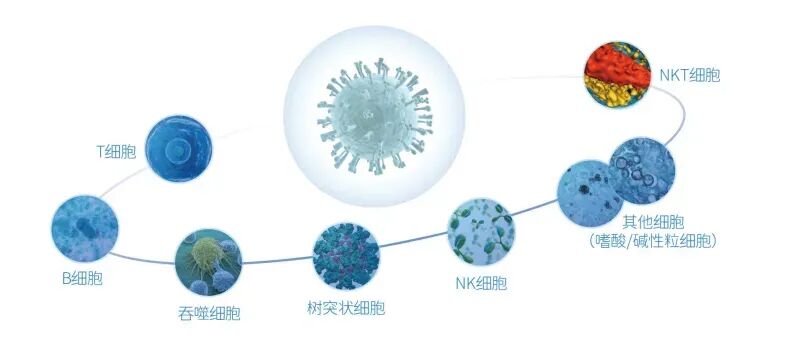
With age, environmental stress and poor habits, immune cells fall in number and lose function, so immunity declines.
Research shows immunity peaks around age 20; after 40, immune-cell numbers and activity drop markedly — a turning point when many major diseases, including cancer, become more common.
Autologous immune cells come entirely from oneself, need no matching, and avoid rejection. Storing them while healthy locks in a ready-to-use cell resource.
1. Tumour prevention
The body produces thousands of cancer cells every day. When immune-cell activity falls, cancer cells can slip through. Immune-cell therapy aims to help clear them.
2. Raising immunity
Immune cells recognise and clear pathogens, consolidating the immune line and, over the long term, may lower the risk of cardiovascular disease, diabetes and other chronic conditions.
3. Slowing ageing
The body is made of cells, and ageing starts with cells. Immune cells can clear aged cells, promote new growth, slow ageing and help maintain a younger state of skin and vitality.
4. Improving sub-health
Sub-health sits between health and disease. Immune cells may help sleep, vitality, fatigue and immune balance.
Hold the present; reserve the future.
Life science and genetic technology are developing rapidly. This article is compiled from publicly available educational material, for reference only, and does not constitute medical advice. For medical questions, please consult a qualified clinician.