A systematic review of six human studies: exosomes plus fractional laser or microneedling already show quantifiable signals in scars, wrinkles, elasticity and pigment.
A systematic review in Reports (MDPI), following PRISMA, surveyed the literature from 2010–2025 and included six human studies with 99 participants (aged 19–72). The focus: clinical outcomes and safety of mesenchymal stem-cell exosomes (MSC-Exos) for scars, skin ageing and pigmentation.
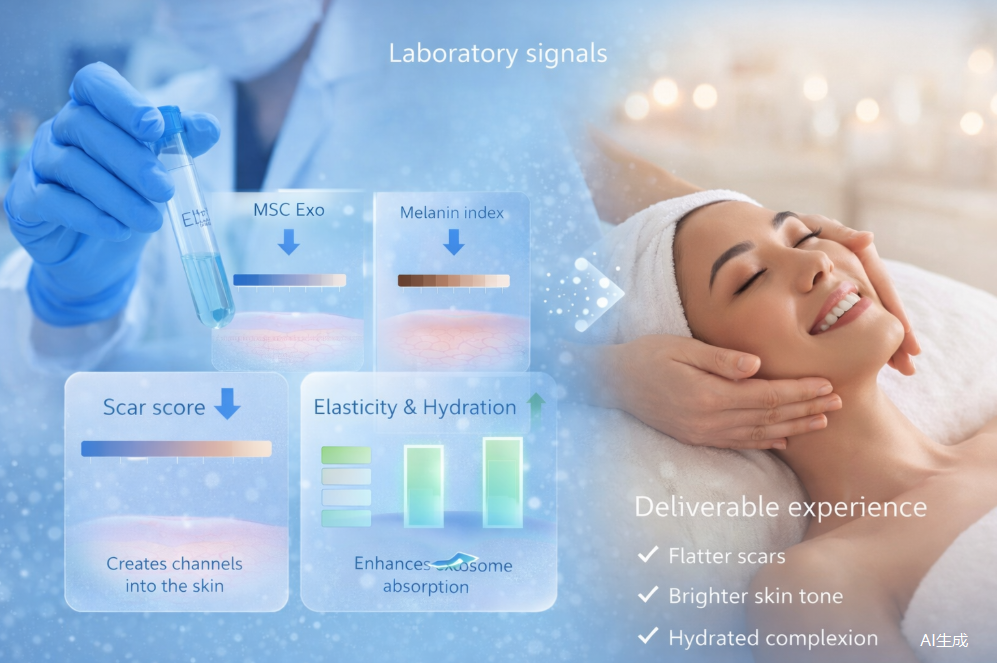
The review shows a clear trend: in small, mostly split-face controlled studies, combining exosomes with “channel-opening” methods such as fractional laser or microneedling has already produced quantifiable signals of improvement — for example scar thickness −32.5%, wrinkles down by one grade, a lower melanin index, and higher skin elasticity (+11.3%) and water content.
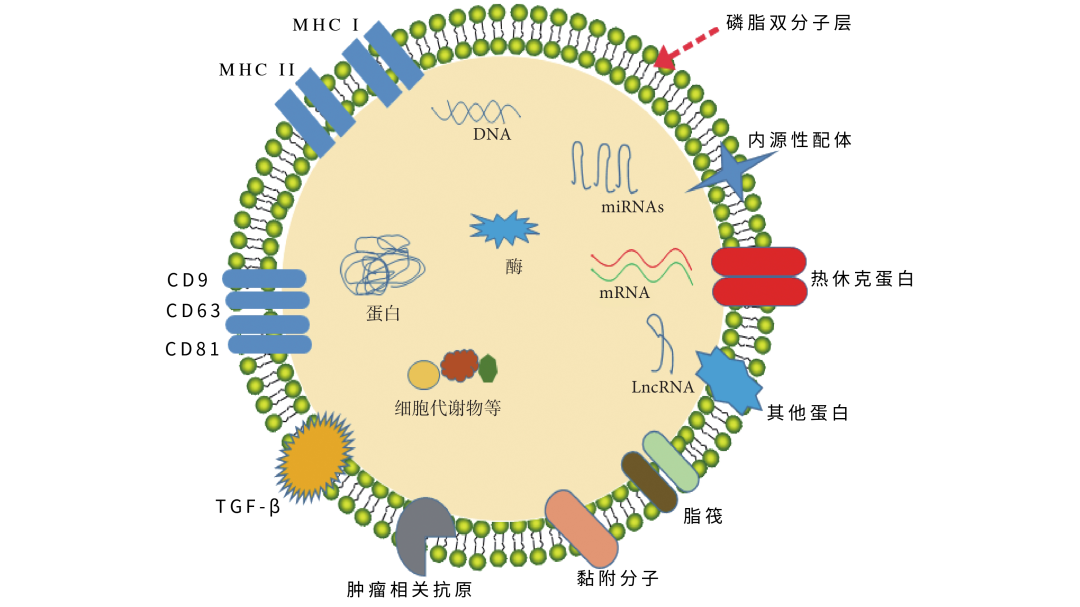
Exosomes can be thought of as nano-scale “information packs” released by cells, carrying proteins, lipids, RNA and other signalling molecules. They are not living cells, but are seen as a more controllable “cell-free route”: a formulation that carries the paracrine repair logic of MSCs, easier to quality-control and combine.
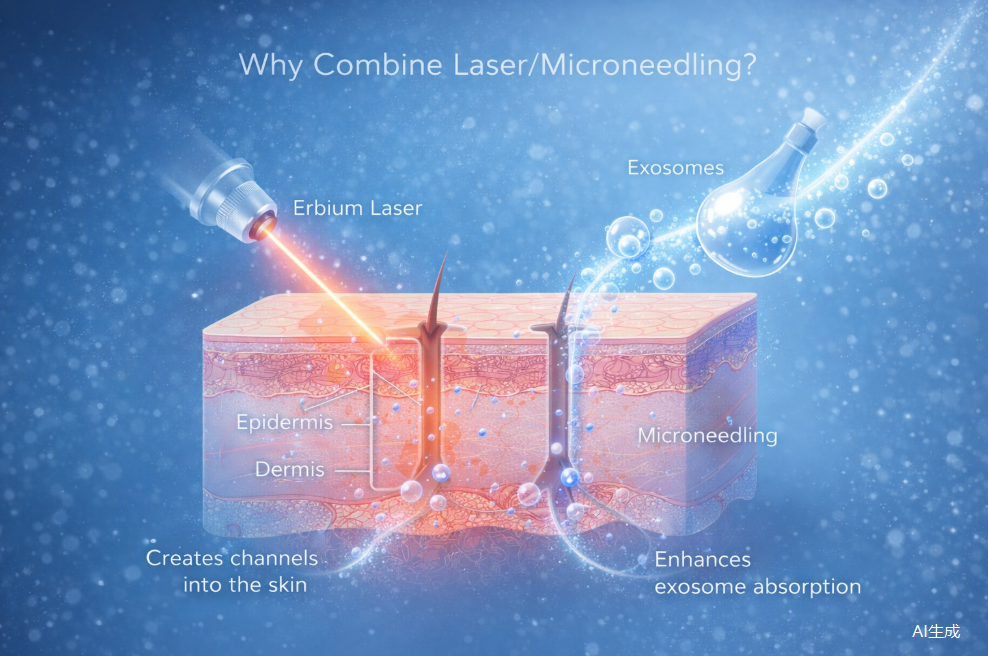
The skin barrier limits simple topical delivery. Fractional laser, microneedling and similar methods can create micro-channels and trigger a brief wound-repair window. Adding exosomes then is more like supplying, at a critical moment, a set of signals aimed at inflammation control, collagen remodelling and pigment metabolism — amplifying the combined gain in “result and experience”.
A split-face, randomised, double-blind study in the review used fractional CO₂ laser for atrophic acne scars: the same person received exosome gel on one side and control gel on the other. The exosome side improved more on the ECCA score (about 32.5% vs 19.9%), with less erythema and a shorter recovery. For medical aesthetics, a combination of “faster recovery + better metrics” is highly translatable.
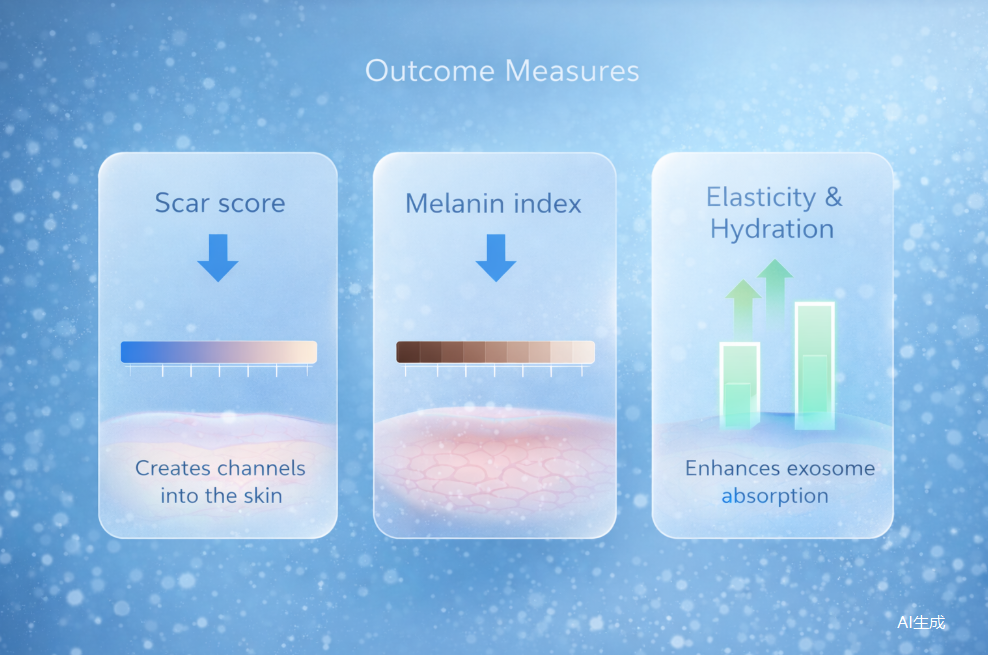
In another split-face randomised study, an exosome solution plus microneedling was compared with the control side (saline + microneedling). Over 12 weeks of follow-up, the exosome side led on several skin-quality parameters — elasticity about +11.3% (the control side fell), hydration about +6.5%, melanin index about −9.9%. Pigmentation studies included also suggested that eight weeks of continued topical use can pull away from control from week 4, while stressing that efficacy is highly tied to delivery efficiency.
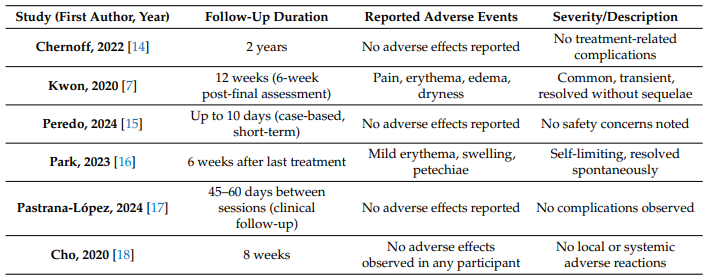
Adverse events summarised in the review were mostly local erythema, mild swelling, dryness or pinpoint bleeding, usually brief and reversible; no signal of systemic serious risk appeared in the included human studies. For a “repeatably deliverable” technical path, that point matters too.
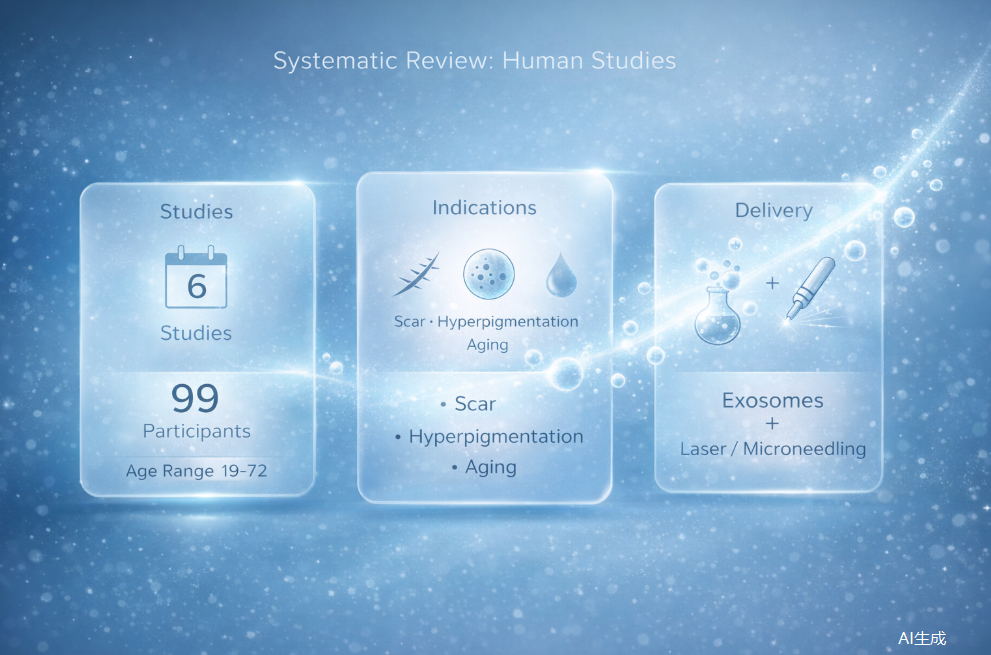
Moving from “cell” to “exosome” is not a downgrade. It is packing part of regenerative medicine’s capacity into a carrier that is more manufacturable, controllable and combinable. The value of this review is to put scattered human data on the table, and show that a “quantifiable signal” is already there.
Source: Reports (MDPI) 2025; 8(4):268 (systematic review; see the original paper for included studies).
Life science and genetic technology are developing rapidly. This article is compiled from publicly available educational material, for reference only, and does not constitute medical advice. For medical questions, please consult a qualified clinician.