Whole-blood NAD+ does not fall in a straight line with age. The drop that matters may sit in tissues such as the heart, where it uncouples the cardiomyocyte clock. One blood number cannot carry the whole anti-ageing story.

Could a blood test read your true age the way glucose reads diabetes control? NAD+ supplements have made that hope feel close: if the molecule falls with age, putting it back should slow the clock. The biology is less tidy.
From AI face scores to hormone panels, quantifying ageing is an old wish. NAD+ (nicotinamide adenine dinucleotide) became a star because cells use it for energy metabolism and DNA repair — an engine without fuel. Animal work and models long assumed a systemic fall with age. That story built a large precursor market. A 2026 Nature Metabolism paper cooled the “one tube of blood” version.
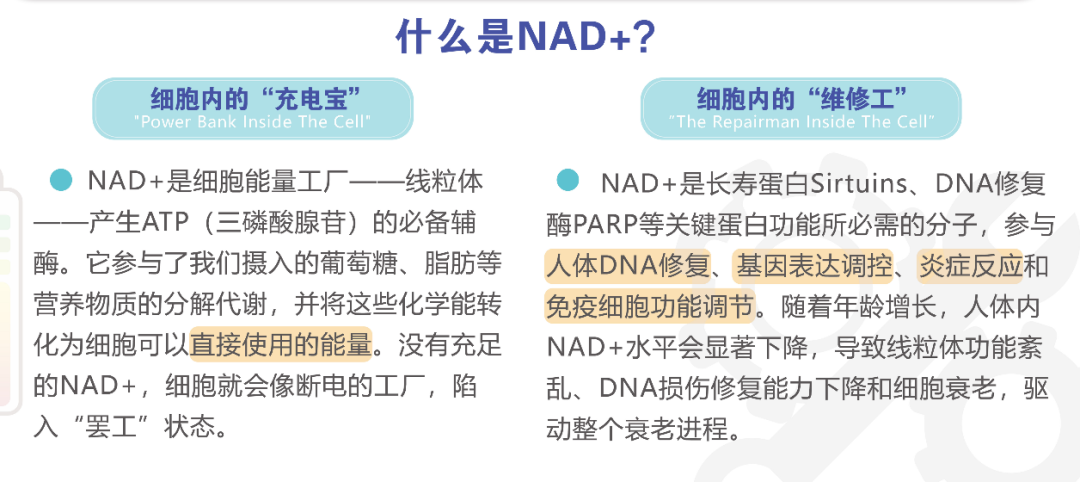
Using UHPLC–HRMS across seven independent cohorts, the study found circulating NAD+ remarkably stable with age. Exercise and nutrition did not move it much. What did raise blood NAD+ was taking specific precursors. In a healthy unsupplemented state the body appears to lock the circulating pool.
There is no straight “NAD+ ageing decline curve” in a routine blood draw. Blood is a defended compartment — the number you see may be compensation, not the tissue truth.
Circadian clocks time sleep, metabolism and the heartbeat; they blur with age. Work associated with the Max Planck Institute for Heart and Lung Research (2026) reported that in ageing human and animal hearts, NAD+ does fall, and the cardiomyocyte clock weakens with it. In young heart cells NAD+ oscillates; when the pool drops, the daily rhythm of thousands of genes unravels. The organ loses a clear “work / repair” schedule, a path toward hypertrophy and other change.
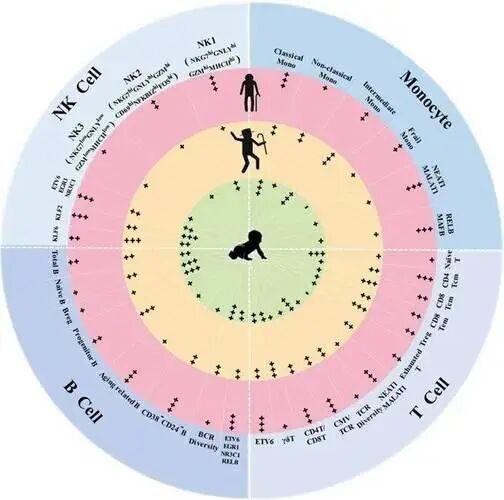
Blood may look calm while an organ’s energy clock has already slipped.
Ageing is multi-dimensional — genomic instability, mitochondria, even social isolation sit among an expanded list of hallmarks. No single analyte declares remaining life. NAD+ is still a serious dimension in specific tissues (mitochondria, repair, clocks). Obsessing over a blood NAD+ number is a poor plan; protecting natural synthesis and circadian living is a better one.
Do not mythologise a marker, and do not ignore the rhythms cells actually run. Anti-ageing that is only anxiety about a digit is not science; respect for the system is.
References:
Life science and genetic technology are developing rapidly. This article is compiled from publicly available educational material, for reference only, and does not constitute medical advice. For medical questions, please consult a qualified clinician.