Fewer SCFA-producers and more TMAO are among the threads tying the gut to hypertension and atherosclerosis. Faecal microbiota transplant remains investigational — not a substitute for standard heart care.
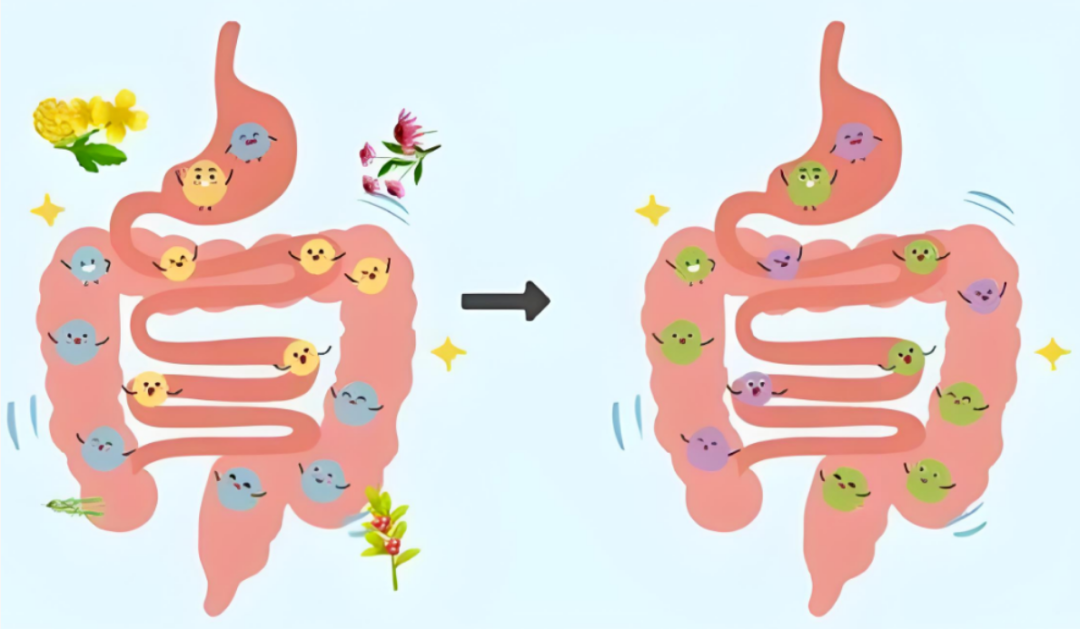
Trillions of microbes in the gut form a second genome: metabolism, immunity, inflammatory tone. For a long time, hypertension, infarction and atherosclerosis were told as a story of genes, salt, sitting and sleeplessness. Dysbiosis is now a serious extra chapter. Clinical work keeps linking a disordered gut ecology to blood vessels through metabolites, inflammation and endothelium — a quiet driver of vascular ageing in mid- and later life.
A healthy flora is a balance. When it breaks:

That is one reason a relatively clean diet and decent sleep do not always protect the blood pressure or the arterial wall: the gut layer was never in the picture.
Fibre, fermented foods and lifestyle remain the most reachable, better-evidenced ways to shift the flora. Faecal microbiota transplant (FMT) is being studied in chronic cardiovascular disease and in ageing research: rebuild ecology, cut some upstream metabolites and inflammatory signals. Animal hypertension models have shown lower pressure and better elasticity after a healthier flora; some clinical series in resistant hypertension or post-infarct recovery report falling TMAO and steadier readings.
None of that replaces antihypertensives, statins or revascularisation. Matching, personalisation and long-term safety are still open. The practical order for most people is: control the proven risks first (pressure, lipids, glucose, smoking, movement), then treat the gut as one net in the same health map — not as a shortcut that “makes vessels young again”.
The gut is not a digestion pipe with no line to the heart. SCFAs, TMAO and the mucosal barrier are writing the microbiome into vascular medicine. Longevity-era heart care should read that chapter. Reading it is not the same as declaring an investigational tool a finished therapy.
Life science and genetic technology are developing rapidly. This article is compiled from publicly available educational material, for reference only, and does not constitute medical advice. For medical questions, please consult a qualified clinician.