A 2026 Nature single-cell study: the human hippocampus can still make neurons late in life. SuperAgers carry about twice the immature neurons of typical peers — a resilience signature, not the textbook story of a brain that only loses cells.
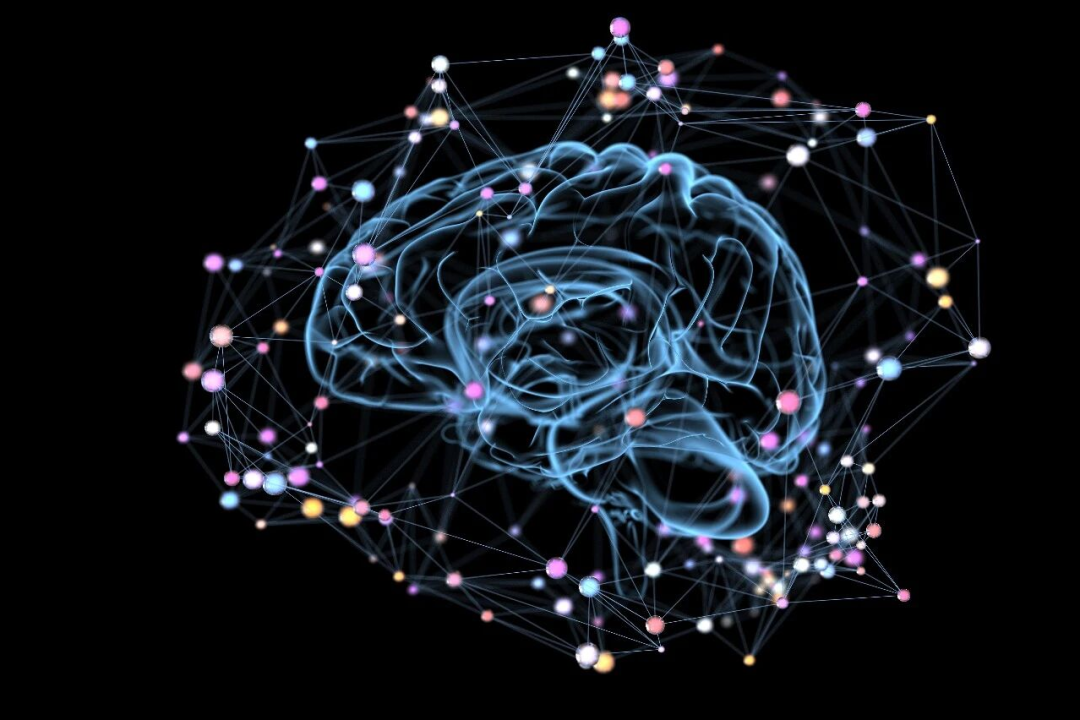
Do ageing brains only lose neurons? Cajal said adult neurons die and do not return; textbooks followed. A Nature paper dated 25 February 2026, from Lazarov’s group at the University of Illinois Chicago, used single-cell sequencing to argue that the human hippocampus still makes neurons in adulthood — even at 80.
In some SuperAgers past 80, immature hippocampal neurons were about twice those of typical peers, and still higher against Alzheimer’s disease. Neurogenesis is a candidate for how their memory holds.
Adult neurogenesis was seen in rodents in the 1960s; human proof lagged. Radiocarbon dating left traces; primates added support; sceptics remained. Lazarov’s team, with collaborators, profiled about 356,000 hippocampal nuclei by single-cell multi-omics and traced the path from stem-like “seed” to mature neuron.
Not a social-media boast: age ≥80, with episodic memory at or above a 50–60-year-old’s. Biological brain age and calendar age part company. Five groups were compared: young people with intact memory; cognitively normal older adults; SuperAgers; preclinical mild cognitive impairment; Alzheimer’s disease. That grid is what made “whose brain is younger, and why” visible.
Immature neurons in SuperAgers were about 2× typical older adults and about 2.5× Alzheimer’s; they also held their own against healthy young brains. New neurons are only about 0.01% of the hippocampal pool. A tiny fraction still tracks a large cognitive gap. Researchers call the pattern a resilience signature: a standing “youth corps” that can still join memory networks.
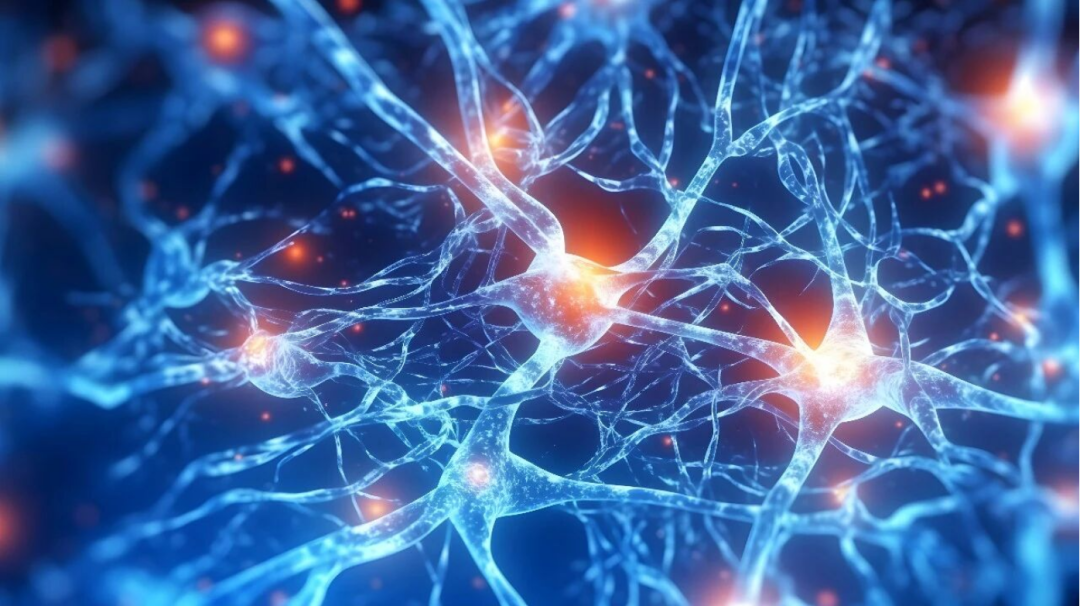
BDNF up in SuperAger hippocampus — fertiliser for survival and dendrites. A distinct gene network in stem cells, neuroblasts and immature neurons (TFDP1, GLIS1 among them). Astrocytes more active, working with CA1 neurons to feed new cells and existing circuits — a support net that has often collapsed in Alzheimer’s.
Neurogenesis is already damaged long before diagnosis. In preclinical MCI, chromatin-accessibility genes (including RFX-family transcription factors) fall. By diagnosis, neurogenesis has nearly stalled: neuroblasts and immature neurons scarce, stem cells piled up as if the line were jammed. Lazarov’s point: knowing why some brains age more kindly may yield ways to protect memory and, perhaps, to prevent dementia.
Much of the SuperAger difference sits in how DNA is packed — chromatin accessibility — which lifestyle can still touch. Cognitive challenge, physical training and a rich social life are candidates for keeping neurogenic programmes on. SuperAgers need not be a genetic caste; a 0.01% hippocampal difference, kept for decades, can move quality of life. Not everyone will become one. The signal is still useful: at 80 the hippocampus has not necessarily closed the factory. Any decade is a chance to feed that potential.
We cannot rewind a brain by decades. Slowing loss and keeping function is no longer only science fiction.
References:
Life science and genetic technology are developing rapidly. This article is compiled from publicly available educational material, for reference only, and does not constitute medical advice. For medical questions, please consult a qualified clinician.