Functional medicine reconstructs individual health; longevity medicine faces ageing itself. Together they point to hospitals as centres of lifelong health management, not only of disease.
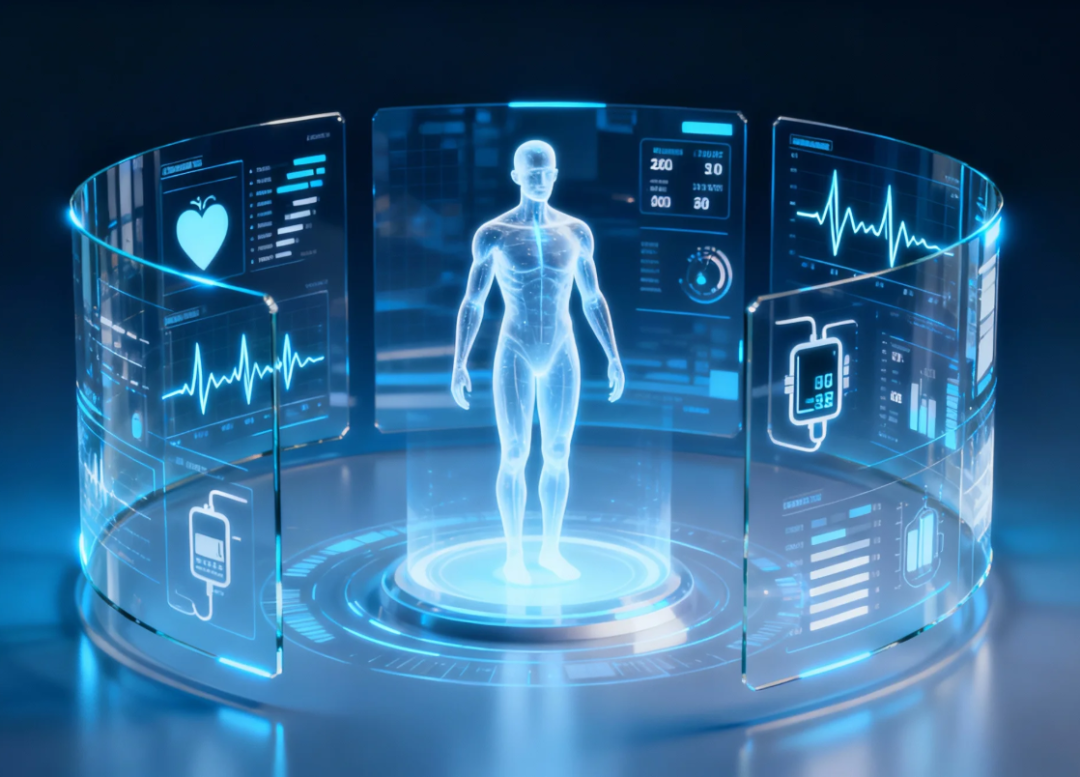
A quiet shift is underway in healthcare. The limits of a purely disease-centred model are clearer; functional medicine and longevity medicine, flowing together, sketch a different hospital — not only a place that treats illness, but a centre that reconstructs how health is understood across a lifetime.
Functional medicine challenges the “one-size-fits-all” habit of reducing health to a stack of numbers — blood pressure, glucose, lipids. Each body is a network shaped by genetics, environment, lifestyle and psychology. Two people with similar lab values can live in entirely different physiological realities if one is chronically stressed and eating irregularly while the other is not.

A patient with long-standing fatigue may leave a conventional visit with only symptom relief. A functional work-up looks at habits, diet, the gut, hormones and micronutrients, and may find dysbiosis, deficiency or endocrine imbalance — then intervene at the root. Health becomes a curve through life, not a pile of disconnected markers.
Longevity medicine is willing to face the hardest problem: degenerative disease, organ ageing, and whether “future health” can be more than a slogan. Alzheimer’s disease, Parkinson’s disease and cardiovascular disease are not side issues of getting older; they are the terrain. The aim is not lifespan alone, but independence, function and vitality in later life.
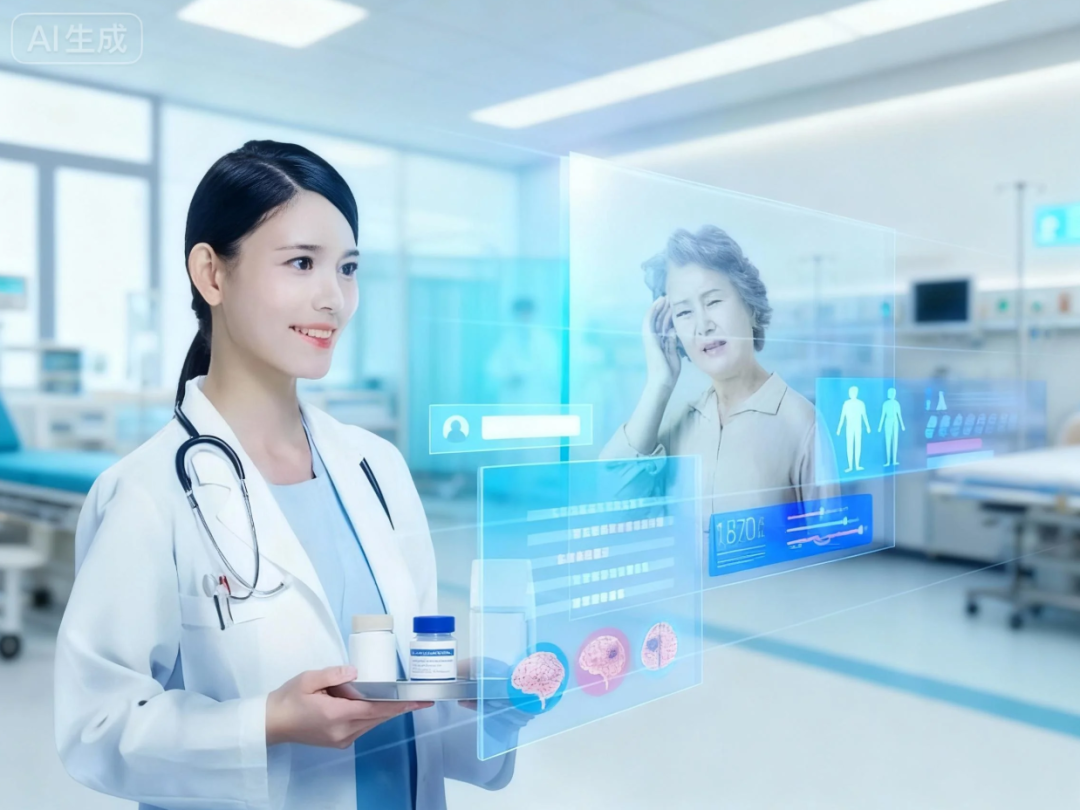
Research paths include stem-cell therapy, gene editing and antioxidant strategies, alongside diet, movement, sleep and psychological health. The promise is a repair-oriented biology plus a life that can actually sustain it.
Together, the two fields join “health now” to “years ahead”. Functional medicine rebuilds the logic of individual difference; longevity medicine extends the time horizon. A future hospital would start with a full functional assessment and a personal plan — food, exercise, nutrients, psychological care — and, where ageing-related risk is already visible, use advanced testing and regenerative tools earlier rather than later.
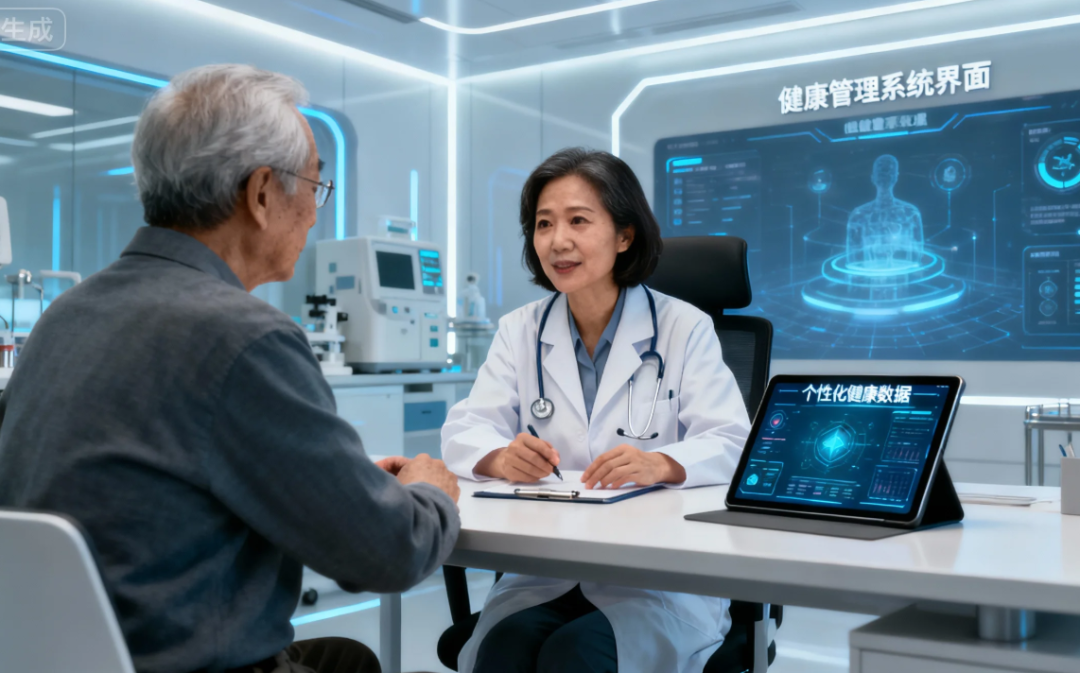
The industry’s future is less about who runs fastest than who stands on a coherent system. Prevention, treatment, rehabilitation and ageing management form a loop; community, family doctors and research partners form a network. Patients become participants — wearable data, remote follow-up, plans that can be adjusted — rather than passive recipients of episodes of care.

The confluence of functional and longevity medicine is a chance to redesign the hospital around personalised, precise, whole-person care — putting today’s function and tomorrow’s lifespan on the same map.
Life science and genetic technology are developing rapidly. This article is compiled from publicly available educational material, for reference only, and does not constitute medical advice. For medical questions, please consult a qualified clinician.