Stanford geneticist Anne Brunet on what ageing is, why it seeds many diseases, what lifestyle can change, and what “reversing” ageing can honestly mean.
Ageing is universal — and still poorly understood. What actually changes in the body as time passes?
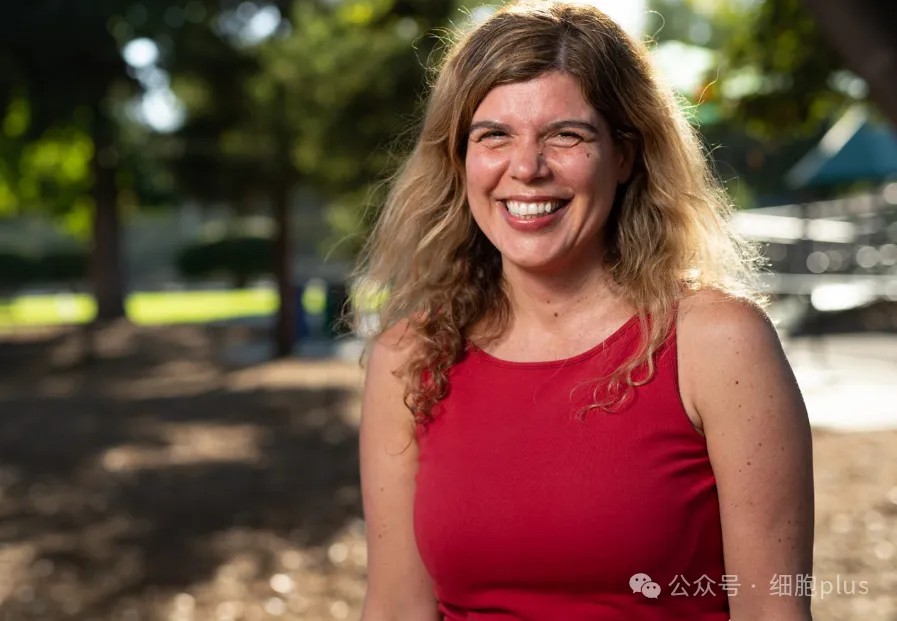
Anne Brunet, professor of genetics at Stanford University School of Medicine, has spent her career on the molecular biology of ageing and longevity, including establishing the short-lived African turquoise killifish as a model. In a recent interview she took up the questions that matter: how science defines ageing, why it seeds so many diseases, how far lifestyle can move the needle, and whether “reversal” is even a coherent idea.
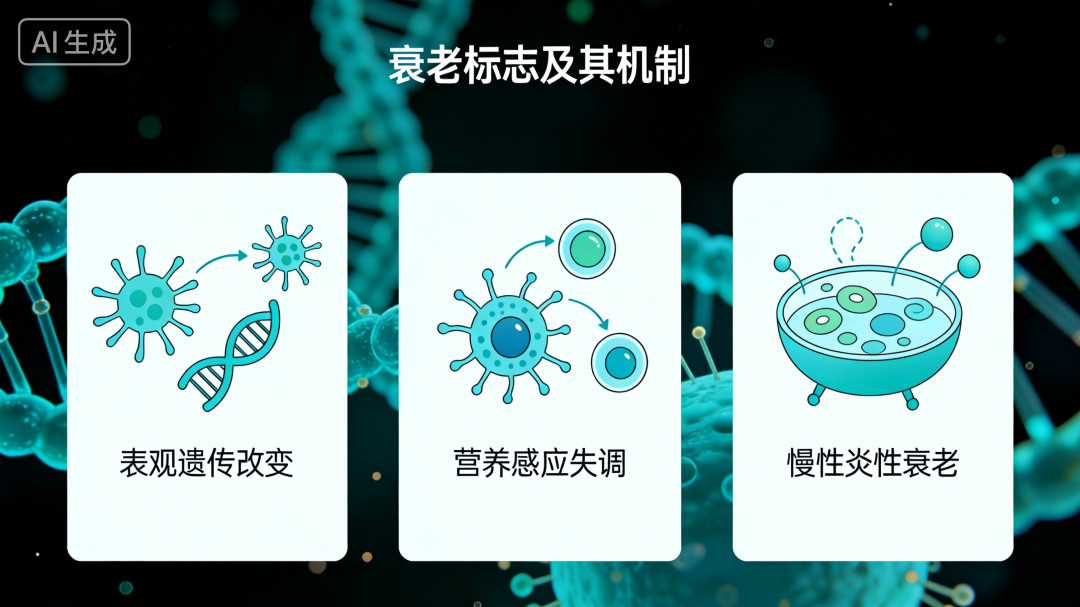
Scientifically, ageing is the process that turns a robust young organism into a frail older one — more disease, higher risk of death. At the molecular level the list of hallmarks keeps growing. It includes epigenetic drift (the “on/off” instructions of genes changing over time), dysregulated nutrient sensing, and chronic inflammatory ageing: cytokines accumulating until low-grade inflammation quietly damages ordinary cell function. Each driver matters; together they matter more.
One view is a loss of whole-organism resilience — not one broken part, but weaker defences everywhere. Another points to shared mechanisms such as inflammaging. Neurons exist to transmit information; under chronic inflammation that job suffers, which is one reason age-related inflammation is implicated in Alzheimer’s and Parkinson’s disease.

Abnormal protein aggregates also rise with age, especially in the brain, and may overwhelm quality-control systems. Because several pillars of the living system are shaken at once, a whole group of diseases becomes more likely.
In animals, dietary restriction — less food without malnutrition — remains among the most reliable ways to extend both average lifespan and healthspan. Calorie restriction and intermittent fasting seem to share a conserved logic even when the exact diet differs by species. Exercise, meanwhile, clearly lengthens average lifespan (more people living longer in better health) even if it may not raise the theoretical human maximum. That still matters: it lifts the health of a population.
Time does not run backwards. What scientists mean by reversal is subtler: after an intervention, do measurable biological features of an old organism look more like a younger state? That is rejuvenation of pointers, not a rewind of the calendar. Brunet’s lab is testing whether damping brain inflammation can reverse some features of brain ageing, and whether partial reprogramming — briefly changing which genes are on — can encourage new cells. Stem cells remain a “toolbox” for resilience and repair if their lifelong function can be kept.
The fish lives about six months — five times faster than a mouse — so experiments that are impossible in long-lived animals become repeatable. It can also enter embryonic diapause, pausing development for months or even years (up to two and a half years in the lab) despite an adult life of six months: a window onto how life holds time.

We still do not know all the mechanisms, nor how to turn them into human interventions. Brunet’s group wants a continuous film of a life, not snapshots — to see ageing unfold in real time and find stages and leverage points that still photographs miss. The compressed killifish lifespan is built for that film.
The work is early. Brunet’s bet is that the dynamics of ageing — how it actually plays out in time — is one of the frontiers most worth watching.
Life science and genetic technology are developing rapidly. This article is compiled from publicly available educational material, for reference only, and does not constitute medical advice. For medical questions, please consult a qualified clinician.