Root-cause first: metabolomics, the microbiome, hormones and oxidative stress — five mechanisms that connect functional medicine to healthy longevity.

As populations age, adding years is not enough — those years need function. Longevity medicine aims to slow ageing and keep capacity; functional medicine supplies a systems frame and tools that can be measured.
In clinic that means metabolomics, the microbiome, hormone panels and oxidative-stress markers used to quantify functional decline tied to ageing.
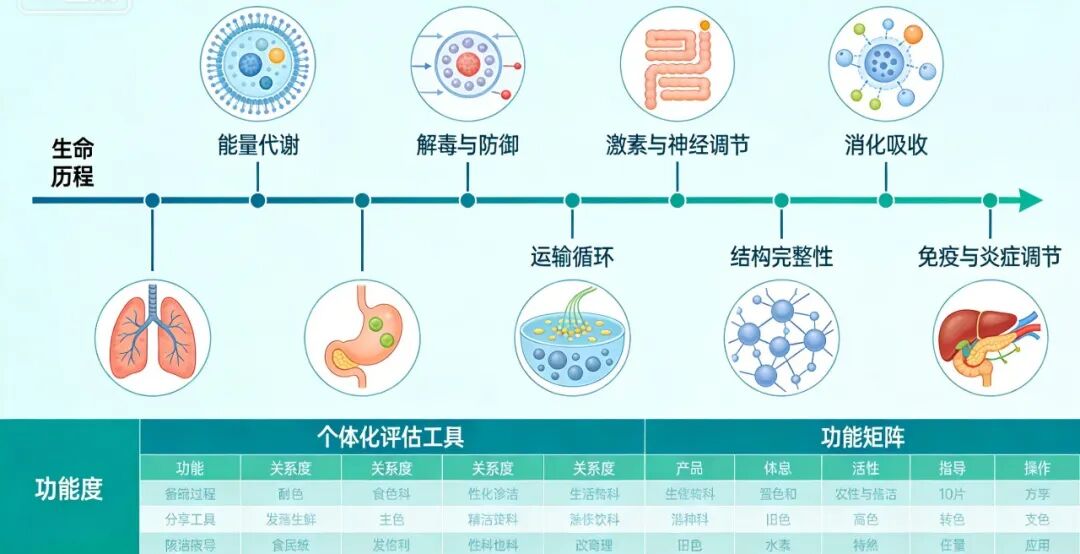
Functional medicine integrates physiology, metabolism, nutrition and environment to find why a network is off, then intervenes mainly through lifestyle and nutrients. It maps seven networks: energy metabolism; detoxification and defence; hormone and neural regulation; digestion and absorption; transport and circulation; structural integrity; immune and inflammatory tone. A functional timeline takes early-life events seriously. A matrix then matches imbalance to a plan — close to what longevity medicine is trying to do.
Inflammation and immune tone. Inflammaging — NF-κB, NLRP3, IL-6, TNF-α — drives cell dysfunction, stem-cell exhaustion and weaker regeneration. Diet, the microbiome, antioxidants and sleep are used to restore tone; hs-CRP, cytokines, flora and nutrient levels guide an anti-inflammatory path.

Mitochondria. Lactate/pyruvate, organic acids, NAD+/NADH and oxidative-stress markers estimate metabolic health; NAD+ precursors (NR, NMN), CoQ10, PQQ and L-carnitine are among the levers. Verdin’s 2015 Science review placed NAD+ at the hub of mitochondrial function, sirtuins, DNA repair and cell homeostasis.
Hormones and neuroendocrine balance. Multi-point cortisol, sex-hormone, thyroid and melatonin testing can catch early drift. Bioidentical HRT is one tool, used only with assessment, lifestyle support and safety checks; food, resistance training, sleep and mindfulness still carry a large share of the work.
Epigenetics. Methyl donors (folate, B12, choline) and training that turns on mitochondrial and anti-inflammatory programmes; methylation clocks as a readout (Yusipov et al., 2024).
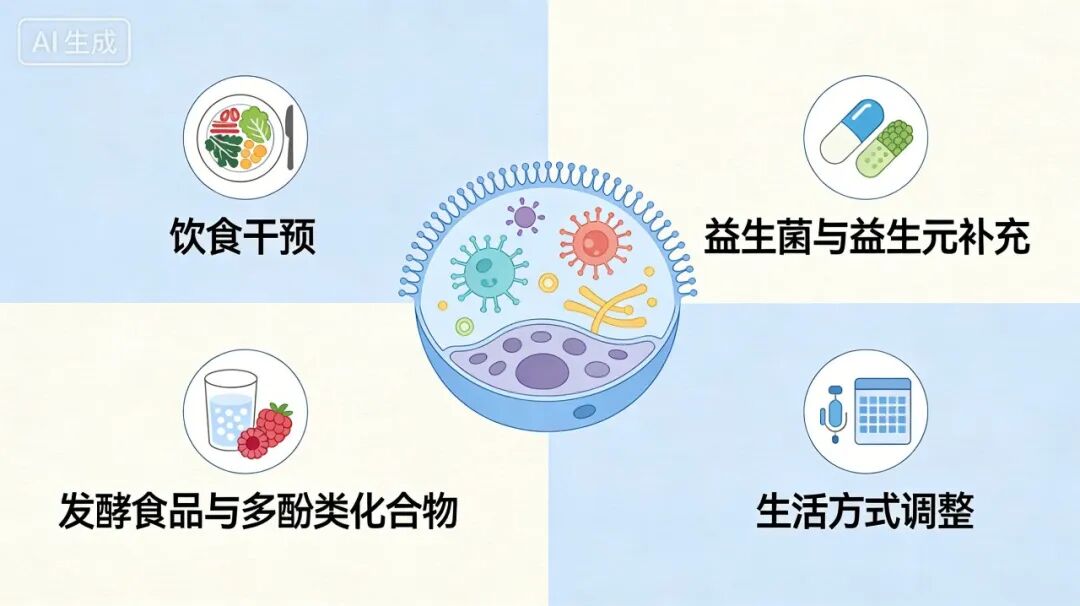
The microbiome. Diversity falls with age; dysbiosis tracks inflammaging and immunosenescence (O'Toole & Jeffery, 2015). Fibre-rich plant diversity, targeted probiotics/prebiotics, fermented foods and polyphenols, plus sleep, movement and stress care via the neuro-immune-microbiome axis.
The mindset is whole-person and individual. That is how chronic-disease prevention and the pursuit of healthspan can sit on the same map.
Life science and genetic technology are developing rapidly. This article is compiled from publicly available educational material, for reference only, and does not constitute medical advice. For medical questions, please consult a qualified clinician.