A Cell review expands the hallmarks of ageing to 14. Three of the most cell-relevant are stem-cell exhaustion, inflammaging and metabolic failure — the logic of stem-cell therapy runs through all three.
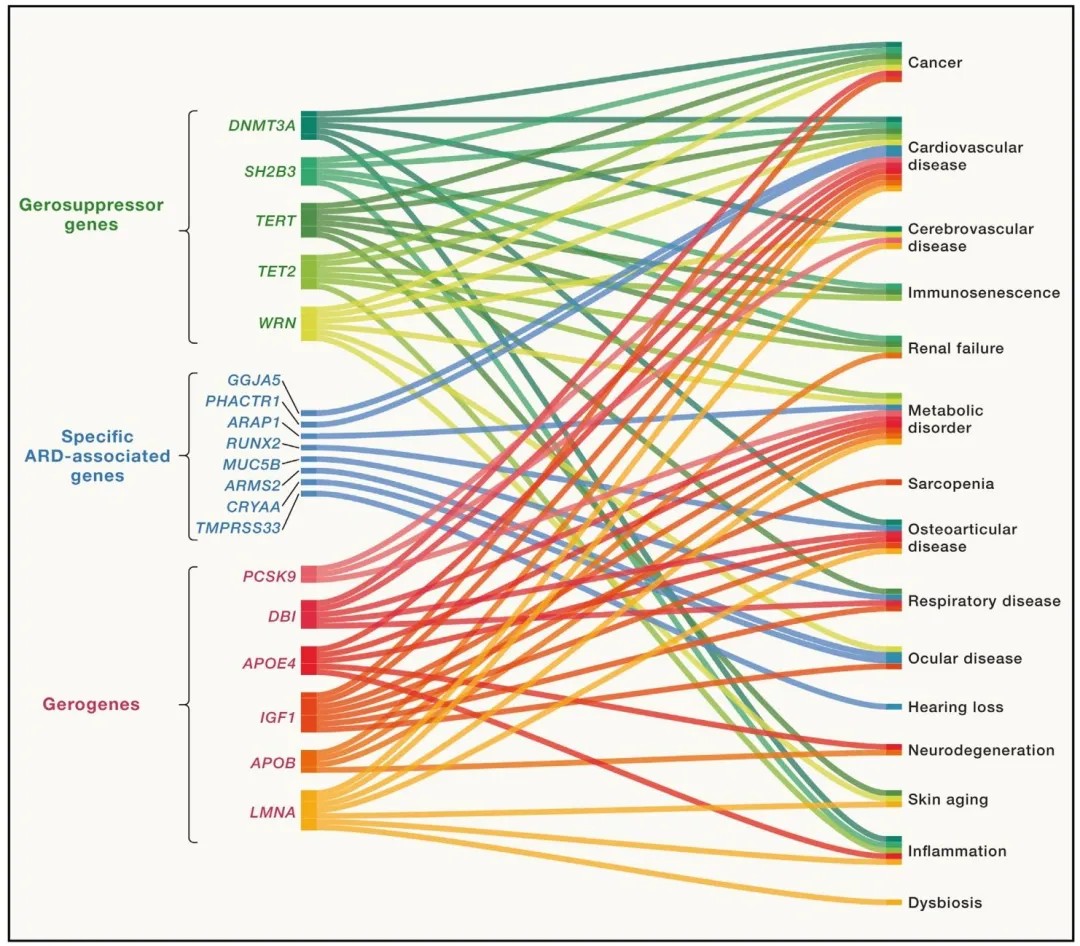
A Cell review — “From geroscience to precision geromedicine: Understanding and managing aging” — expands the biological hallmarks of ageing from 12 to 14. Many of those hallmarks are cellular. Three sit at the centre of the cell-health story: stem-cell exhaustion, inflammation, and metabolism.
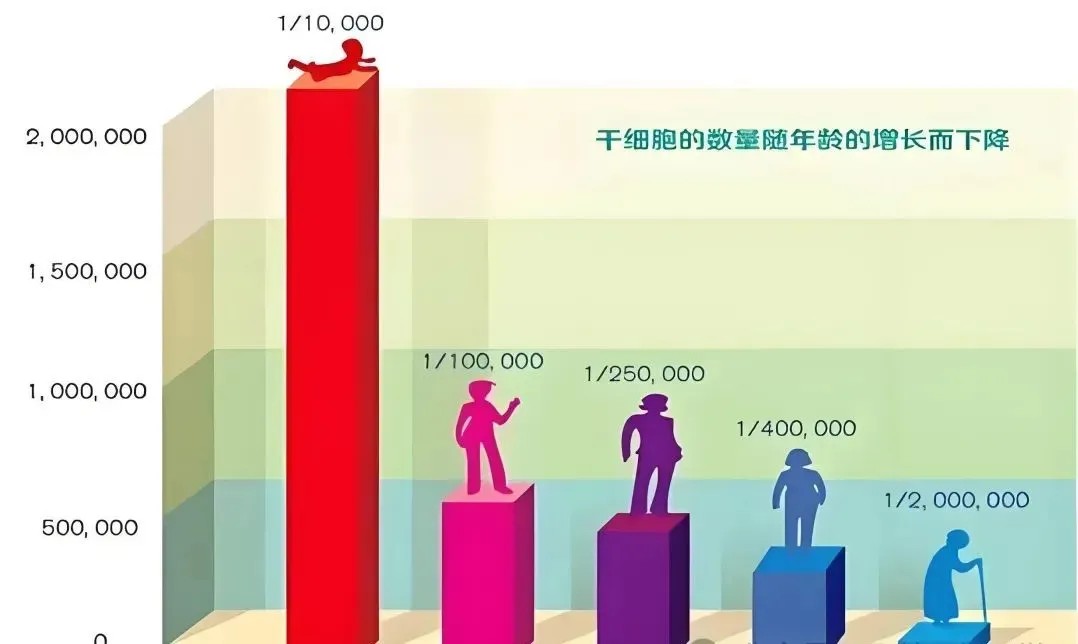
Cell treats exhaustion of the stem-cell pool (haematopoietic, mesenchymal, neural and others) as core pathology. Numbers fall by orders of magnitude — on the order of 6×10⁹ at birth, about 1×10⁹ at 25, under 3×108 by 50 — while proliferative potential, differentiation and stress responses dull.
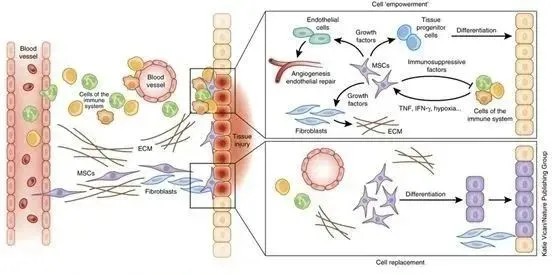
Exogenous cell therapy is framed as three moves: restore numbers, improve the niche, and wake endogenous repair — reinforcing the “repair crew”. MSCs can take part in muscle, liver and skin repair; in aged models, blood-system reconstitution has been reported about 40% more efficient, with muscle histology nearer a young state.
Inflammaging is chronic, low-grade immune activation and a disordered systemic milieu. MSCs may down-modulate Th1/Th17, support Treg, secrete IL-10 and TGF-β, and, via exosomes, polarise macrophages toward M2.
Ageing metabolism looks like weaker electron transport and more ROS; AMPK down, mTOR up, NAD+ down; liver lipid-glucose handling and muscle oxidation falling out of concert. Cell therapy is described as mitochondrial repair via exosomes (SIRT1, biogenesis), rebalancing AMPK/mTOR/SIRT, and restoring NAD+ in liver, muscle and fat.
A 2025 Cell Metabolism report described aged models after MSC treatment with about a 46% rise in hepatic NAD+/NADH, improved glucose and lipid profiles, and exercise endurance returning toward young controls.
The leap from bench to clinic is still being made. The claimed advantage is multi-target and system-wide — a path to healthspan that remains under evaluation, but is no longer a side note in geroscience.
Life science and genetic technology are developing rapidly. This article is compiled from publicly available educational material, for reference only, and does not constitute medical advice. For medical questions, please consult a qualified clinician.