After forty, nights cost more and cuts close slower. What often decides that is recovery capacity — deep sleep, low-grade inflammation, mitochondrial energy and microcirculation — not the birthday.

After forty a pattern is familiar: a late night costs two or three days; muscle ache lingers; a small cut crusts slowly. We blame age. Clinically, what often decides the state is a more basic capacity — recovery: the ability to repair tissue and restore balance after stress or injury.
When young, the system is efficient enough to be invisible. When it slows, everything runs half a beat behind — fatigue that tails off late, inflammation that will not settle, healing that drags. Many people in midlife have no named disease and still live in that lag: the recovery system has lost efficiency.
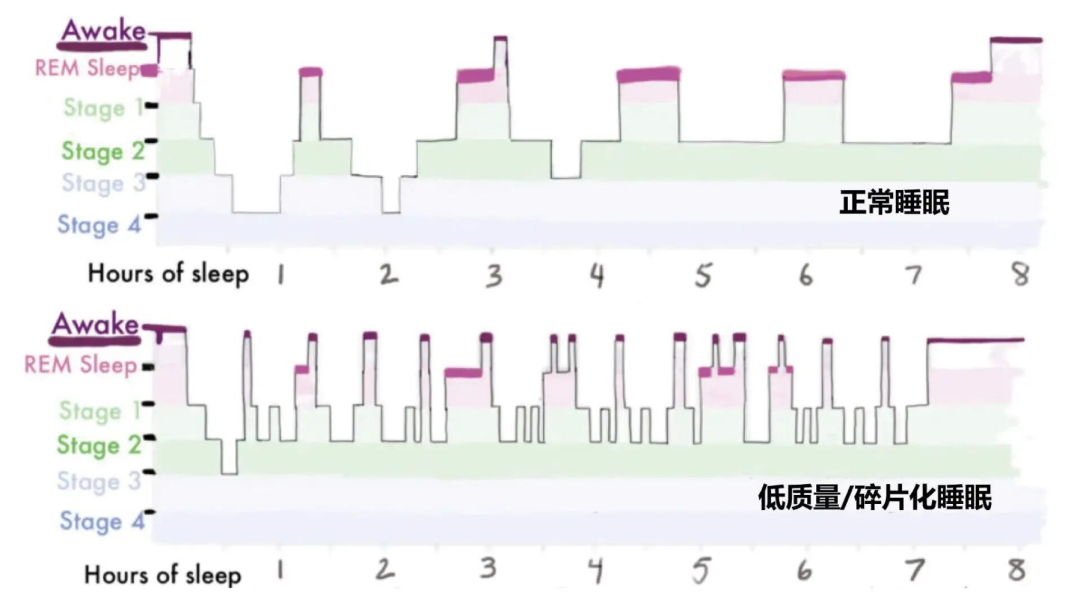
“I get the hours, I still wake tired.” Repair tracks deep-sleep share more than time in bed. Night is the peak of growth-hormone release and tissue repair. Hard sleep onset, waking, and dream-heavy light sleep compress the hours that actually rebuild. Slow recovery then becomes the default.
Stress, heavy food and sitting keep a mild inflammatory tone. Inflammation is protective in bursts; as a lifestyle it locks the body in stress mode instead of repair mode. Resources are spent continuously, immune responses lose edge, and when repair is truly needed it arrives late.

Every repair act runs on energy. Oxidative pressure and age reduce mitochondrial efficiency. The felt result is less stamina, longer post-exercise fatigue, a longer recovery cycle — not “just getting old”, but a less efficient energy system.
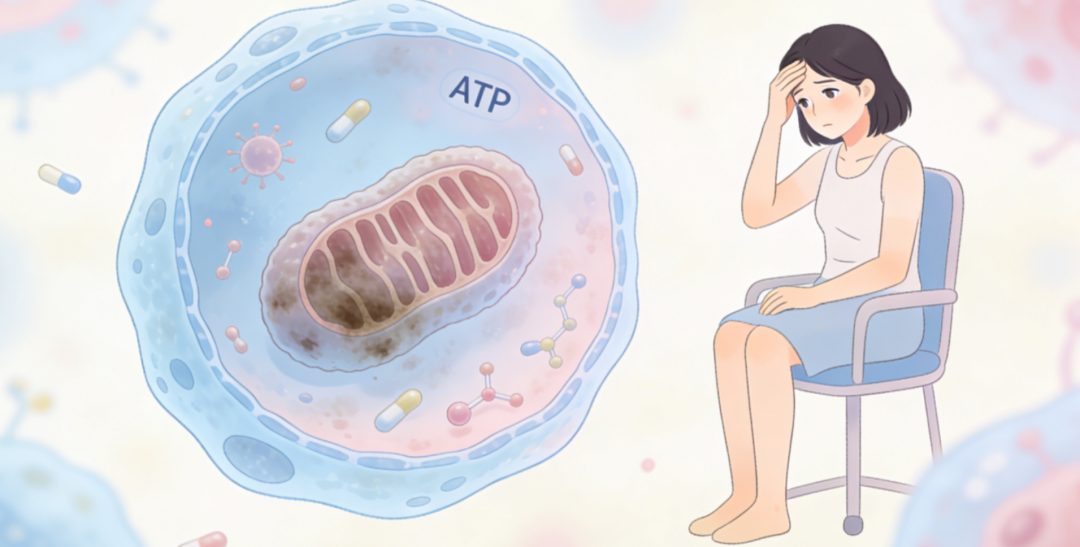
Oxygen and nutrients arrive less well; waste leaves more slowly; local tissue is under-supplied. Healing slows. People who sit long and move little recover more slowly for this reason too.
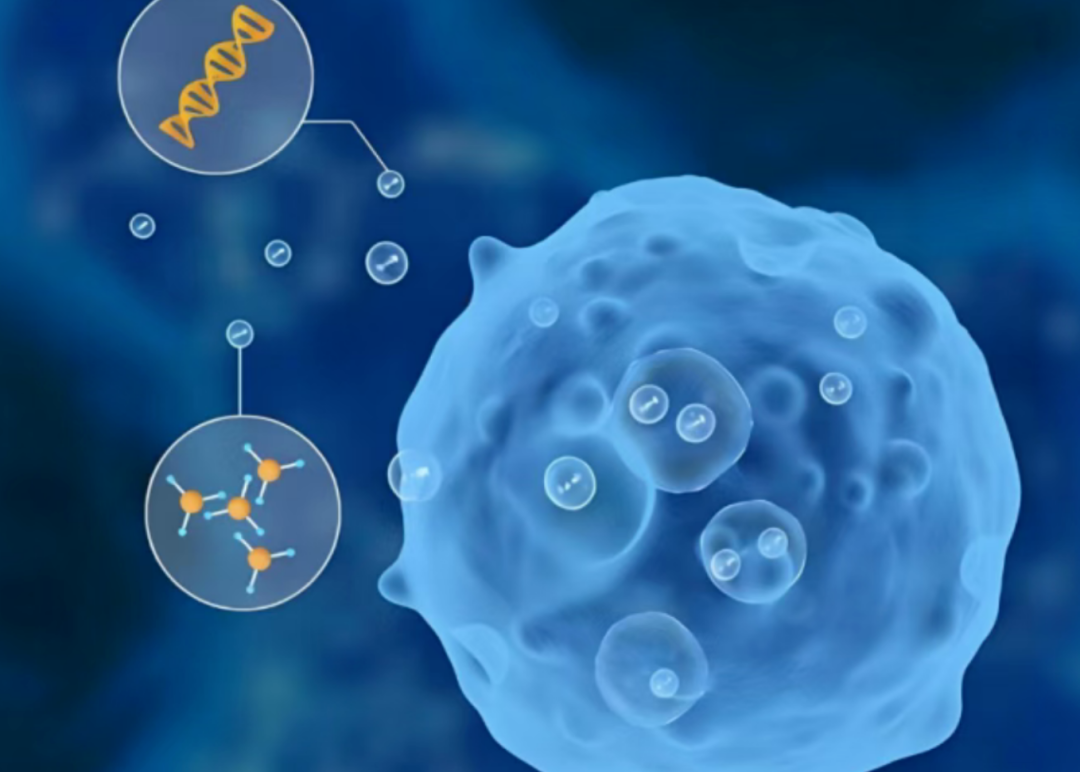
Research is shifting from damping symptoms to raising recovery capacity. Work on exosomes and cell-repair signalling is not about replacing the body, but about helping it find its own repair rhythm again.
The twenties spend stamina; the forties spend recovery. Same workload, two-day rebound versus a week — the gap is often the recovery system, not the calendar. Age records time. Recovery is the chassis. Deeper sleep, lower inflammation, steadier energy, smoother circulation: the body returns to the rhythm it already knows.
Life science and genetic technology are developing rapidly. This article is compiled from publicly available educational material, for reference only, and does not constitute medical advice. For medical questions, please consult a qualified clinician.