A Cell review lists twelve hallmarks of ageing. Those closest to cells are senescence, stem-cell exhaustion and altered communication; senescent immune cells speed up whole-body ageing.
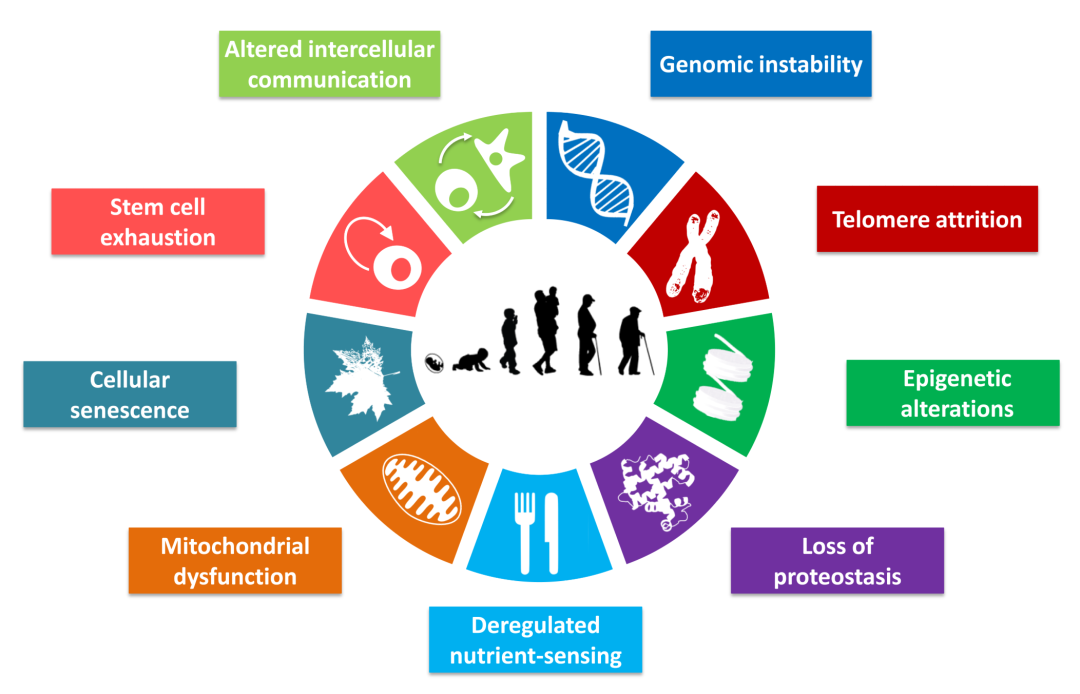
Scientists at the University of Oviedo and the University of Paris published “Hallmarks of aging: An expanding universe” in Cell, proposing twelve hallmarks of ageing — important for understanding how ageing starts, develops and might be changed.
Since the first hallmarks paper, nearly 300,000 ageing papers have appeared. The same authors expanded the 2013 review to twelve hallmarks: genomic instability, telomere attrition, epigenetic alterations, loss of proteostasis, disabled macroautophagy, deregulated nutrient-sensing, mitochondrial dysfunction, cellular senescence, stem-cell exhaustion, altered intercellular communication, chronic inflammation and dysbiosis.
Those closest to cells are cellular senescence, stem-cell exhaustion and altered intercellular communication.
Stem-cell activity falls with age. Senescent cells secrete SASP — a mix of pro-inflammatory, immunosuppressive chemicals — lowering stem-cell activity, immunosenescence and tissue regeneration. SASP is part of chronic low-grade inflammation that damages stem-cell function and repair.
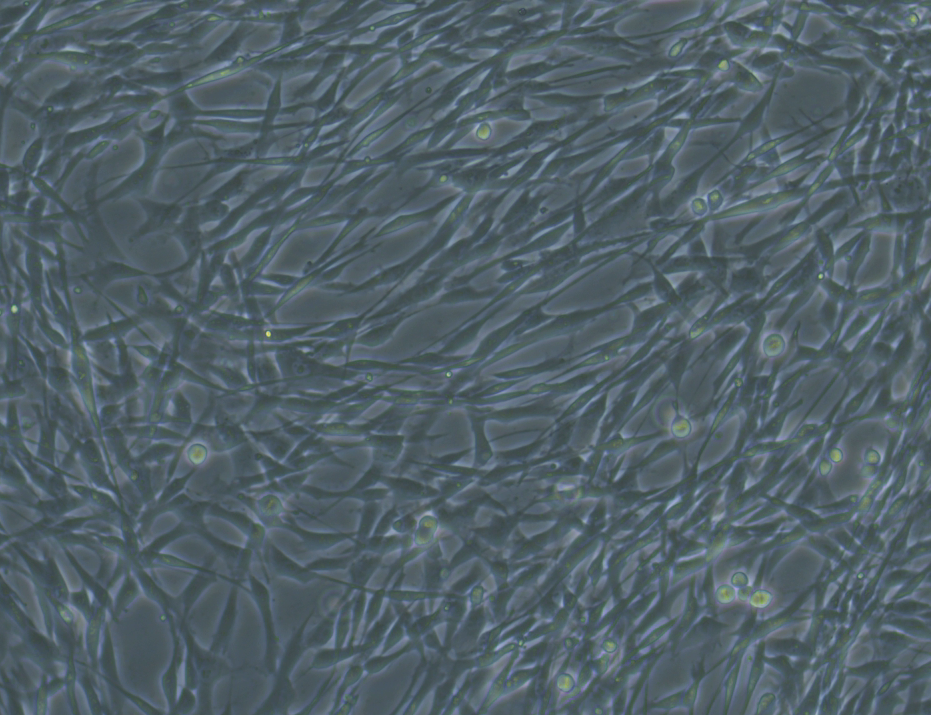
Inflammation also comes from debris, cross-linking, immunosenescence and gut-microbiome change. Stem cells are not spared: telomere shortening and slow DNA mutation push them towards senescence or cancer. Self-renewal continues, but quality and speed fall.
All cell types senesce. Comparing healthy people under 35 with those over 65, the rate can differ 2–20 fold, mainly in fibroblasts, endothelial cells and immune cells.
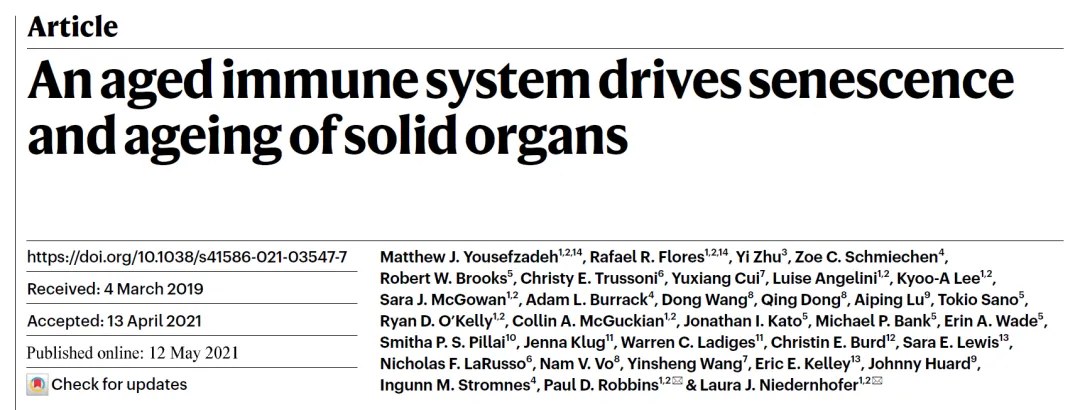
University of Minnesota researchers reported in Nature in 2021 that senescent immune cells are among the most dangerous types: they accelerate ageing in other organs and thus the whole body.
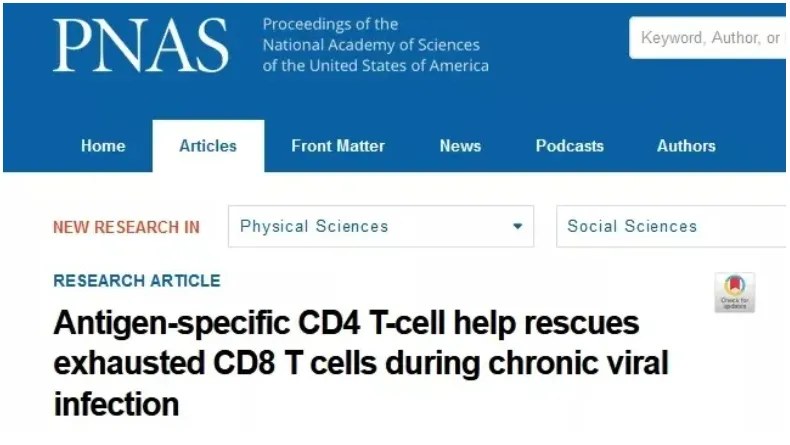
Immune cells normally clear mutant and senescent cells. With age, variants accumulate and immunity falls. Studies show immunosenescence is modifiable. A PNAS report notes that clinical work with fresh immune cells may reverse T-cell exhaustion.
Healthy stem cells and immune cells matter greatly. Ageing is a physiological process every living thing faces. Attending to cell health and replenishing cells may be a wise way to act before harm arrives.
Life science and genetic technology are developing rapidly. This article is compiled from publicly available educational material, for reference only, and does not constitute medical advice. For medical questions, please consult a qualified clinician.